Leaky pipes are a common but often hidden problem in Singapore’s homes. While dripping taps or visible leaks are easy to spot, concealed and underground pipe leaks can go unnoticed for months, causing water wastage, structural damage, and mold growth. Early detection and repair of these leaks is essential for keeping your plumbing system safe, efficient, and free from costly damage.
This guide explains how to identify concealed and underground leaks, the methods professionals use to detect them, and the steps for safe and effective repairs.
1. Understanding Concealed and Underground Pipe Leaks
Concealed pipe leaks occur behind walls, ceilings, or under floors, while underground leaks occur beneath your home or garden, often in sewer lines or water mains. These leaks are particularly tricky because they don’t show immediate signs of water pooling.
Causes of such leaks in Singapore homes include:
- Ageing pipes and fittings
- Corrosion in metal pipes
- Ground movement or construction vibrations
- Poor initial installation
- Tree roots are infiltrating underground pipes
Even small leaks can cause significant long-term problems, including damage to walls and flooring, structural weakening, mold growth, and increased water bills.
2. Early Warning Signs of Hidden Leaks
Although concealed and underground leaks are not immediately visible, there are subtle signs homeowners can watch for:
- Unusually high water bills: A sudden spike may indicate hidden water loss.
- Damp or discoloured walls and ceilings: Stains, peeling paint, or bubbling plaster can signal leaks behind walls.
- Persistent mold or mildew: Musty smells or black spots in hidden areas often indicate moisture from leaking pipes.
- Low water pressure: Inconsistent flow or weak pressure in taps and showers may suggest a leak in the supply line.
- Unexplained puddles or wet patches outdoors: Underground leaks can saturate soil without obvious surface runoff.
If any of these signs appear, prompt action is crucial to prevent escalation.
3. DIY Detection Methods
Homeowners can try a few simple methods to detect potential hidden leaks:
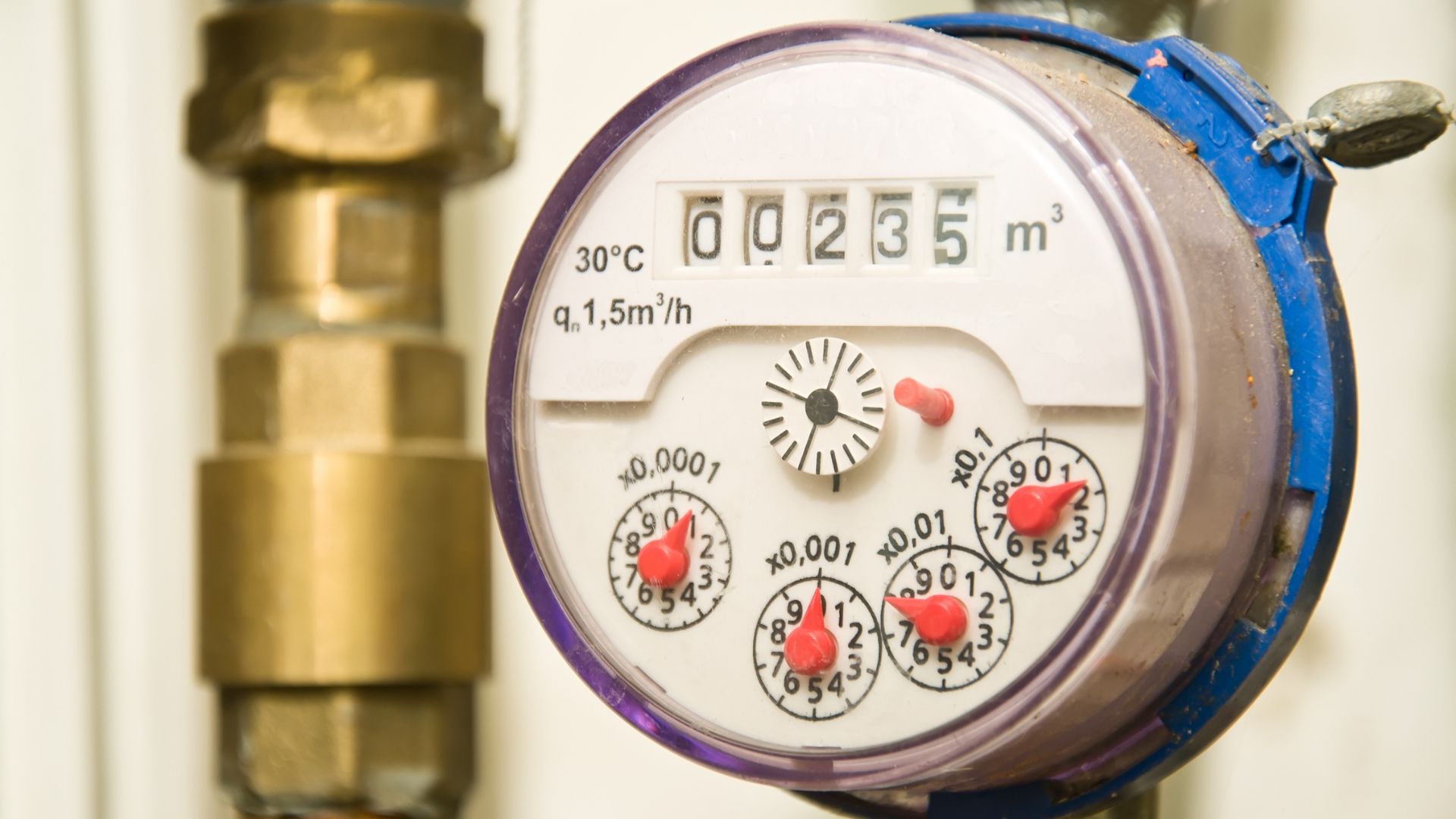
- Check the water meter: Turn off all taps and appliances. If the meter continues to move, it indicates a leak somewhere in the system.
- Listen for unusual sounds: Hissing or dripping noises behind walls or under floors may indicate a concealed leak.
- Use thermal imaging apps or devices: While professional thermal cameras are more precise, some consumer-level tools can detect temperature differences along pipelines.
However, DIY methods often only indicate the presence of a leak. Precise location and repair usually require professional tools and expertise.
4. Professional Detection Techniques
Licensed plumbers in Singapore use advanced tools and methods to locate concealed and underground leaks accurately:
a. Acoustic Leak Detection
Special microphones or listening devices detect the sound of water escaping from pipes. This method works well for metal pipes and pressurised water lines.
b. Thermal Imaging
Infrared cameras detect temperature variations in walls, ceilings, and floors caused by escaping water. Thermal imaging is a non-invasive and highly effective method for pinpointing hidden leaks.
c. Moisture Meters
Moisture meters measure dampness in walls and floors. They help determine the extent of water damage and guide repair efforts.
d. CCTV Pipe Inspection
For underground or sewer line leaks, plumbers use CCTV cameras inserted into pipes to visually inspect for cracks, corrosion, or blockages. This allows precise pinpointing of the leak without unnecessary digging.
e. Pressure Testing
Plumbers may isolate sections of piping and test water pressure. A pressure drop can indicate the presence and approximate location of a leak.
5. Preparing for Pipe Repair
Once a leak is detected, the repair process begins. Proper preparation is essential:
- Turn off the water supply: Shut off the main valve to prevent flooding during repair.
- Clear the area: Remove furniture, floor coverings, or obstacles near the affected area.
- Assess access options: Concealed leaks may require removal of wall panels, tiles, or flooring. Underground leaks may need trenching or pipe exposure.
- Consult your plumber: A professional assessment ensures you choose the most effective and least invasive repair method.
Professional Plumbing Starts Here >
Let Citi Plumbing help you find the most effective and cost-efficient option for your plumbing needs. Our experts provide practical advice and reliable solutions tailored to your home or business.
6. Common Repair Methods
The repair method depends on the type, location, and severity of the leak:
a. Pipe Clamps and Sleeves
For minor cracks or holes, plumbers can apply clamps or sleeves to seal the leak. This is a quick fix, often used in accessible concealed pipes.
b. Epoxy or Resin Patching
Epoxy compounds can seal small leaks internally without replacing pipes. This method is non-invasive and suitable for metal or PVC pipes.
c. Pipe Replacement
Severely corroded or damaged pipes may need full replacement. In Singapore, this is common in older HDB flats or landed properties with ageing metal pipes.
d. Trenchless Repair for Underground Pipes
Trenchless technology allows underground pipe repair without extensive digging. Techniques such as pipe lining or pipe bursting allow underground pipe repairs with minimal disruption to gardens, driveways, or landscaping.
e. Rerouting or Retrofitting
In some cases, plumbers may reroute water lines or install new pipes alongside damaged ones. This is often done when access is extremely limited or when original pipes are irreparably damaged.
7. Post-Repair Checks
After repair, professionals perform several checks to ensure everything is functioning correctly:
- Water pressure testing to confirm no residual leaks
- Visual inspection of patched or replaced pipes
- Functional testing of taps, showers, and appliances
- Monitoring for hidden water damage or dampness
A thorough post-repair inspection ensures that the problem is fully resolved and prevents recurring leaks.
8. Preventive Measures for Hidden Leaks
Preventing concealed and underground leaks is always better than repairing them. Recommended practices in Singapore homes include:
- Regular inspections: Annual plumbing checks by licensed professionals detect early signs of corrosion or leaks.
- Monitor water usage: Keep track of bills and usage patterns to spot unusual consumption.
- Install water leak detectors: Smart sensors alert you to leaks in bathrooms, kitchens, or underground water lines.
- Proper pipe maintenance: Replace ageing metal pipes with corrosion-resistant alternatives such as PEX or PVC.
- Landscaping precautions: Avoid planting trees too close to underground pipes to prevent root intrusion.

9. Cost Considerations
Repair costs vary depending on the leak type and method:
- Minor concealed leaks may cost a few hundred dollars.
- The cost of underground or trenchless pipe repairs typically ranges from SGD 1,000 to 3,000, influenced by factors such as pipe length, accessibility, and site conditions.
- Full pipe replacement or major rerouting is more expensive but provides a long-term solution.
Early detection reduces repair costs and prevents additional damage to flooring, walls, or landscaping.
10. Hiring a Professional Plumber in Singapore
For concealed and underground leaks, professional expertise is highly recommended. Benefits include:
- Accurate leak detection with advanced tools
- Safe, compliant repairs that meet local regulations
- Minimised property damage
- Advice on preventive maintenance
Licensed plumbers in Singapore also ensure adherence to PUB regulations, HDB requirements, and safety standards for electrical and water systems.
Conclusion
Concealed and underground pipe leaks may be invisible, but their impact can be significant if left untreated. Through early recognition of leaks, accurate detection, and professional repairs by licensed plumbers, homeowners can effectively prevent structural damage, avoid excessive water wastage, and mitigate health risks associated with mold growth.
Regular inspections, monitoring water usage, and preventive maintenance are key strategies to protect your plumbing system. Whether it’s a minor concealed leak or a complex underground repair, timely action ensures long-term efficiency, safety, and peace of mind in your Singapore home.
Fix Your Plumbing Issue Now >
From leaks to installations, Citi Plumbing delivers prompt and dependable service for homes and businesses. Our skilled plumbers ensure every job is completed efficiently, safely, and to the highest standards.