Maintaining a healthy plumbing system may not be the most glamorous home chore, but in Singapore, where high usage, tropical humidity, and frequent rainfall challenge the infrastructure, it’s essential. A well-maintained plumbing system saves money, reduces stress, and prevents unexpected disruptions. Whether you’re a homeowner or managing a rental or commercial property, these expert plumbing maintenance tips will extend the lifespan of your system and enhance overall efficiency.
1. Understand Your Plumbing System
Before anything else, you need a basic understanding of your plumbing layout — where your main shut-off valve is, where pipes run, and which fixtures connect to what. Singaporean homes often feature compact and cleverly concealed piping systems, so keeping a sketch or photo record can be helpful during emergencies.
Having this knowledge allows you to quickly isolate problems and communicate effectively with professionals. Knowing exactly where your main shut-off valve is lets you cut off the water instantly during a leak, minimising damage to floors, walls, and furnishings and potentially saving thousands in repair and restoration costs. Likewise, identifying pipe access points can make professional servicing more straightforward and less costly.
2. Fix Leaks Promptly
Even a tiny drippy tap may seem harmless, but it wastes water and signals deeper issues. According to PUB (Singapore’s national water agency), residential water usage averages around 150-180 litres per person per day, so leaks add up fast. Fixing leaks quickly helps conserve water and prevents pipe corrosion, mould, and structural damage.
Common causes of leaks include worn washers, loose fittings, and high water pressure. Replacing washers, tightening fittings, and adjusting pressure can often resolve minor leaks. If the leak persists, call a licensed plumber to assess the issue before it escalates.
3. Prevent Blockages with Proper Habits
Clogs are among the most frequent plumbing issues in Singapore homes. Over time, grease, soap scum, hair, and food scraps accumulate inside pipes, restricting water flow and eventually leading to slow drainage or stubborn blockages. Preventing clogs requires mindful daily habits:
- Kitchen: Never pour cooking oil, fats, or grease down the sink. Use a container to collect cooking waste and dispose of it in rubbish bins.
- Bathroom: Install drain strainers to catch hair and debris. Clean them regularly.
- Toilet: Only flush toilet paper. Items such as wipes, cotton buds, and sanitary products can clog pipes.
If slow drainage begins, use natural de-clogging solutions such as a mix of baking soda and vinegar, followed by hot water. Although effective in the short term, chemical drain cleaners are highly corrosive and can weaken pipes, increasing the risk of leaks and long-term damage.
4. Monitor Water Pressure
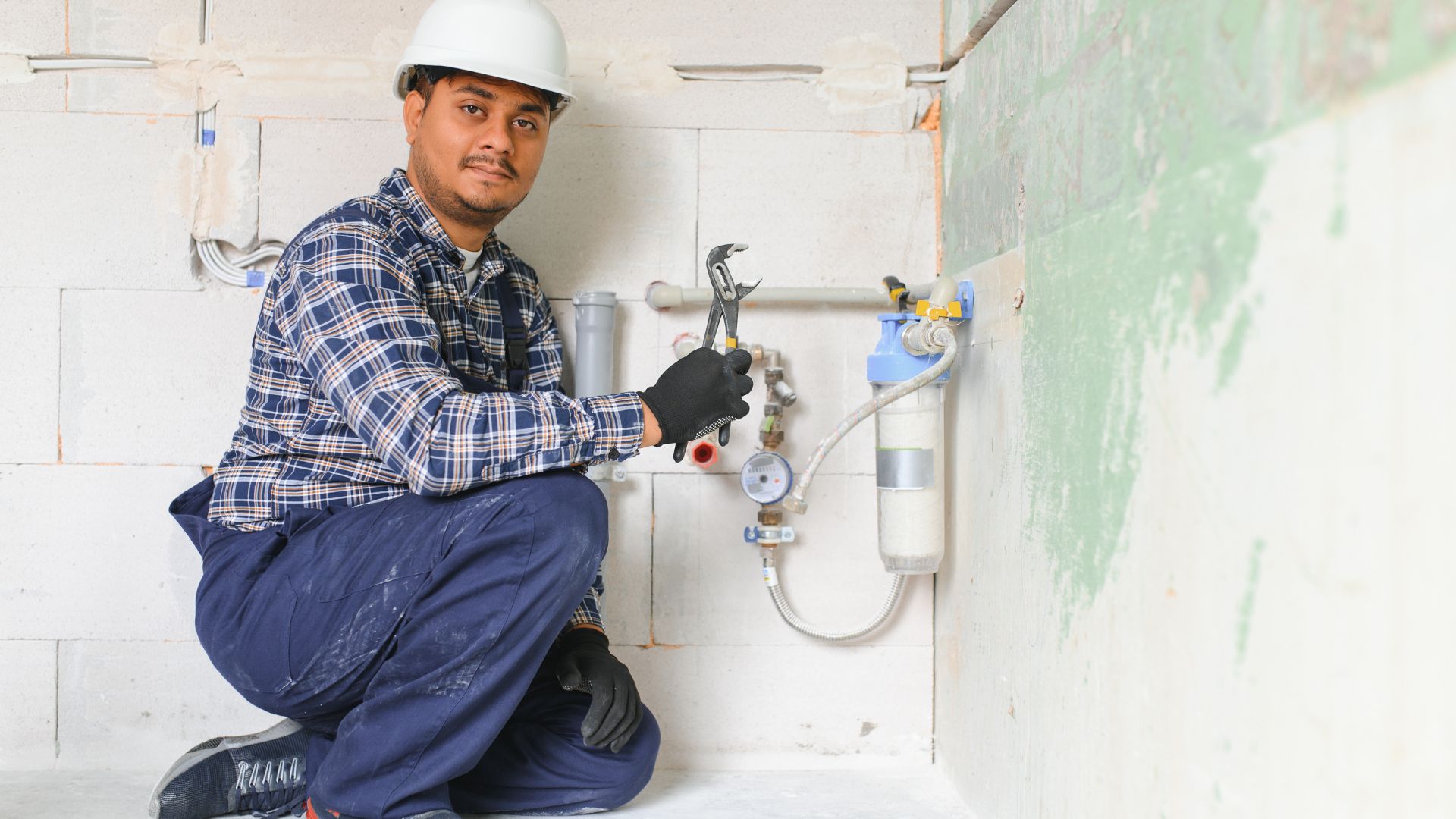
Pressure that’s too high or too low can strain your system. High water pressure, common in Singapore’s multistorey apartments, increases wear on pipes and joints, leading to leaks. Low pressure, conversely, can indicate blockages or pump issues.
You can check water pressure using a gauge attached to an outdoor tap. Ideal home water pressure ranges between 40 and 60 psi (pounds per square inch). If pressure exceeds this, consider installing a pressure-reducing valve (PRV). If it’s consistently low, contact a plumber to check for blockages or pump issues.
5. Maintain Drains Regularly
Routine drain maintenance helps avoid stubborn blockages. Every 1–3 months, pour a mixture of boiling water and vinegar down slow drains. This natural solution helps dissolve grease and grime without harming pipes.
For bathroom drains, pulling out the drain cover and clearing hair or debris once a month significantly reduces clogs. In kitchens, avoid putting fibrous vegetable waste and coffee grounds down the sink — these easily accumulate and cause blockages.
6. Insulate Exposed Pipes
While Singapore’s climate is consistently warm, sudden shifts in humidity and occasional heavy rain can still impact plumbing. Pipes exposed in balconies or utility spaces can gradually deteriorate as fluctuating temperatures and moisture accelerate wear and material fatigue.
Pipe insulation helps prevent condensation, minimizes stress caused by temperature fluctuations, and improves energy efficiency, especially along hot water lines. Foam tubing or wrap insulation is affordable and easy to install.
7. Service Water Heaters Annually
If your home uses a water heater — which is common in Singapore flats — scheduling annual servicing is essential to ensure safe and efficient operation. Sediment buildup inside water heaters reduces efficiency and increases energy bills. Corrosion can also damage internal components, shortening the unit’s lifespan.
An annual inspection by a licensed technician can identify scale buildup, thermostat issues, and sediment accumulation. Flushing the tank, checking safety valves, and tightening electrical connections keep your heater functioning efficiently and safely.
Professional Plumbing Starts Here >
Let Citi Plumbing help you find the most effective and cost-efficient option for your plumbing needs. Our experts provide practical advice and reliable solutions tailored to your home or business.
8. Protect Pipes from Root Intrusion
For landed properties in Singapore, tree roots pose a serious threat to underground pipes. Roots seek out water and can infiltrate pipe joints, causing cracks and blockages. To prevent this:
- Avoid planting large trees close to sewer lines.
- Use root barriers when landscaping near plumbing pathways.
- Regularly inspect underground pipes using CCTV (done by professionals) to detect early signs of intrusion.
Catching this early can save significant repair costs.
9. Install Water-Saving Fixtures
Singapore is renowned for its emphasis on sustainability. Installing water-efficient fixtures reduces water consumption and strain on your plumbing system. Consider:
- Aerated faucets
- Dual flush toilets
- Low-flow showerheads
These fixtures maintain performance while reducing overall water usage — lowering utility bills and contributing to water conservation goals.
10. Know When to Call a Professional
While DIY maintenance goes a long way, certain issues require professional attention. Complex problems such as hidden leaks, pipe bursts, and sewer line issues are best handled by licensed plumbers. Signs you should call a professional include:
- Persistent leaks
- Unusual noises from pipes
- Foul odors from drains
- Frequent clogs
Regular professional inspections (once every 1–2 years) can catch problems before they become major.
11. Keep an Emergency Plumbing Kit
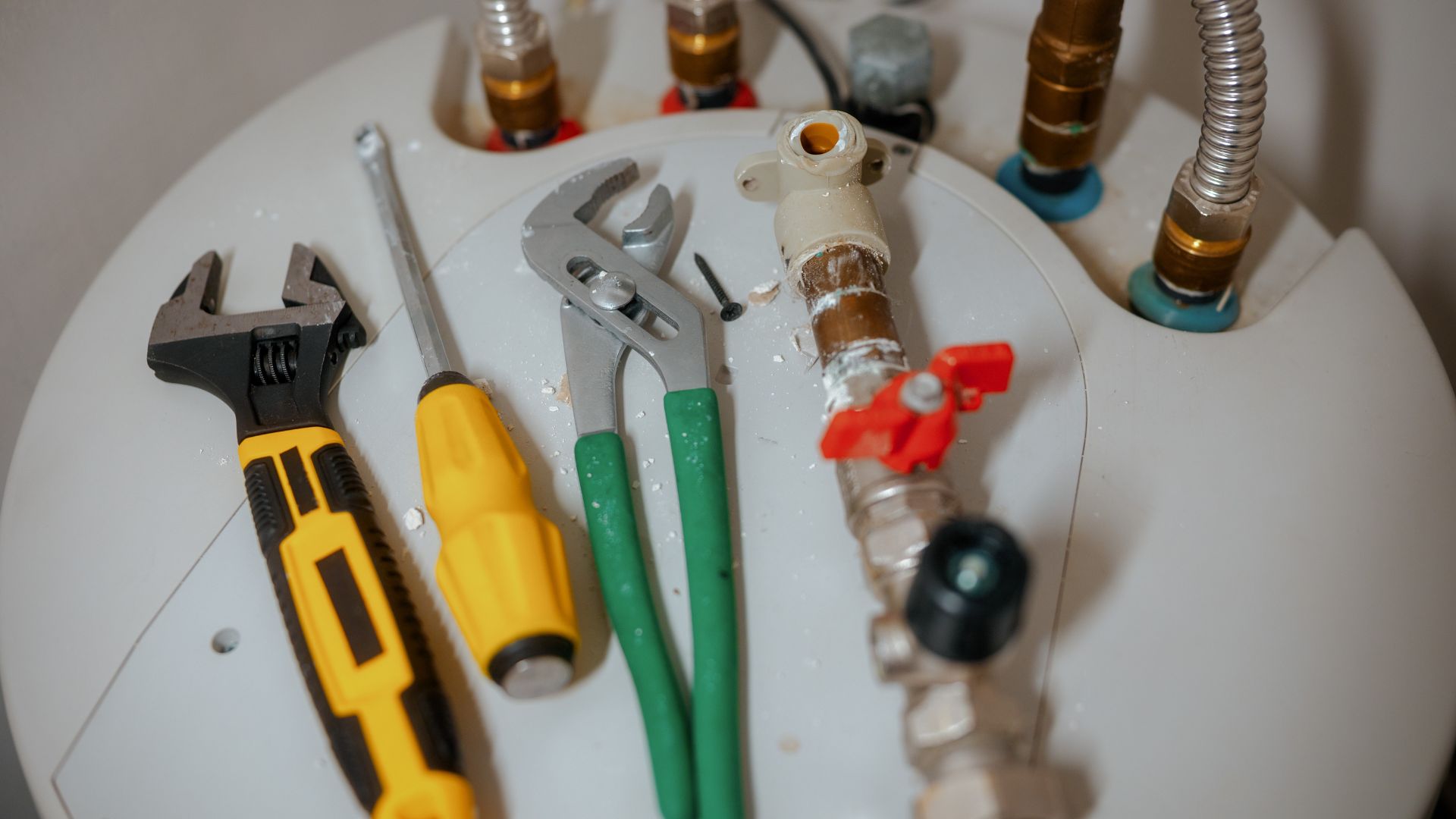
Preparation reduces panic during emergencies. Your kit should include:
- Adjustable wrench
- Plumber’s tape (Teflon tape)
- Pipe sealant putty
- Rubber gloves
- Bucket
- Towels or rags
Also, keep the contact details of a reliable Singapore plumber saved on your phone.
12. Watch for Signs of Hidden Leaks
Hidden leaks can be costly if unnoticed. In Singapore’s high humidity, water damage accelerates mold growth, affecting indoor air quality. Indicators of hidden leaks include:
- Unexpectedly high water bills
- Damp walls or ceilings
- Peeling paint
- Mold or mildew growth
If you spot these, investigate further. While moisture meters can help identify damp areas, professionals rely on advanced tools such as thermal imaging and specialized leak detection equipment for accurate identification.
Conclusion
Proper plumbing maintenance in Singapore is about planning, consistent care, and knowing when to call in the professionals. From preventing clogs and fixing leaks quickly to routine inspections and water-efficient upgrades, these tips protect your system and extend its lifespan.
A healthy plumbing system means fewer emergencies, lower water bills, and a more comfortable living environment — whether you’re in a high-rise apartment or a landed home. Start implementing these tips today and enjoy a more reliable, efficient plumbing system tomorrow.
Fix Your Plumbing Issue Now >
From leaks to installations, Citi Plumbing delivers prompt and dependable service for homes and businesses. Our skilled plumbers ensure every job is completed efficiently, safely, and to the highest standards.