Installing a water heater may seem straightforward, but in Singapore’s high-density residential environment, it requires careful planning, technical expertise, and strict adherence to safety standards. Whether you’re replacing an old unit or installing a new one in a BTO flat, condominium, or landed property, understanding the professional installation process helps you prepare better and avoid costly mistakes.
This guide walks you through what to expect during a professional water heater installation in Singapore, from initial assessment to post-installation checks.
1. Pre-Installation Assessment and Consultation
A professional water heater installation always begins with a site assessment. Before any work begins, the plumber or technician will carefully inspect your bathroom or utility area to determine the most suitable water heater type and the safest installation method.
During this stage, the installer will assess:
- Available space and mounting location
- Existing plumbing connections
- Electrical or gas supply (depending on heater type)
- Water pressure levels
- Ventilation requirements (for gas heaters)
In Singapore, most homes rely on either instant electric heaters or storage water heaters, but not every bathroom can accommodate both types. For example, older HDB flats may have space constraints or electrical limitations that influence heater selection. The assessment ensures the chosen heater complies with PUB, SP Services, and manufacturer guidelines.
2. Choosing the Right Type of Water Heater
If you have not already selected a water heater, your installer may recommend suitable options based on your household's needs.
Common types in Singapore include:
- Instant Water Heaters
- Compact, energy-efficient, and ideal for small households. They heat water on demand but require stable electrical capacity.
- Storage Water Heaters
- Suitable for families with higher hot water usage. These units store heated water and require sufficient space and strong wall support.
- Gas Water Heaters
- More common in landed properties. They require proper ventilation and gas piping, making professional installation especially critical.
Your installer will explain capacity requirements, energy efficiency considerations, and safety features such as anti-scald protection and pressure relief valves.
3. Electrical and Plumbing Safety Checks
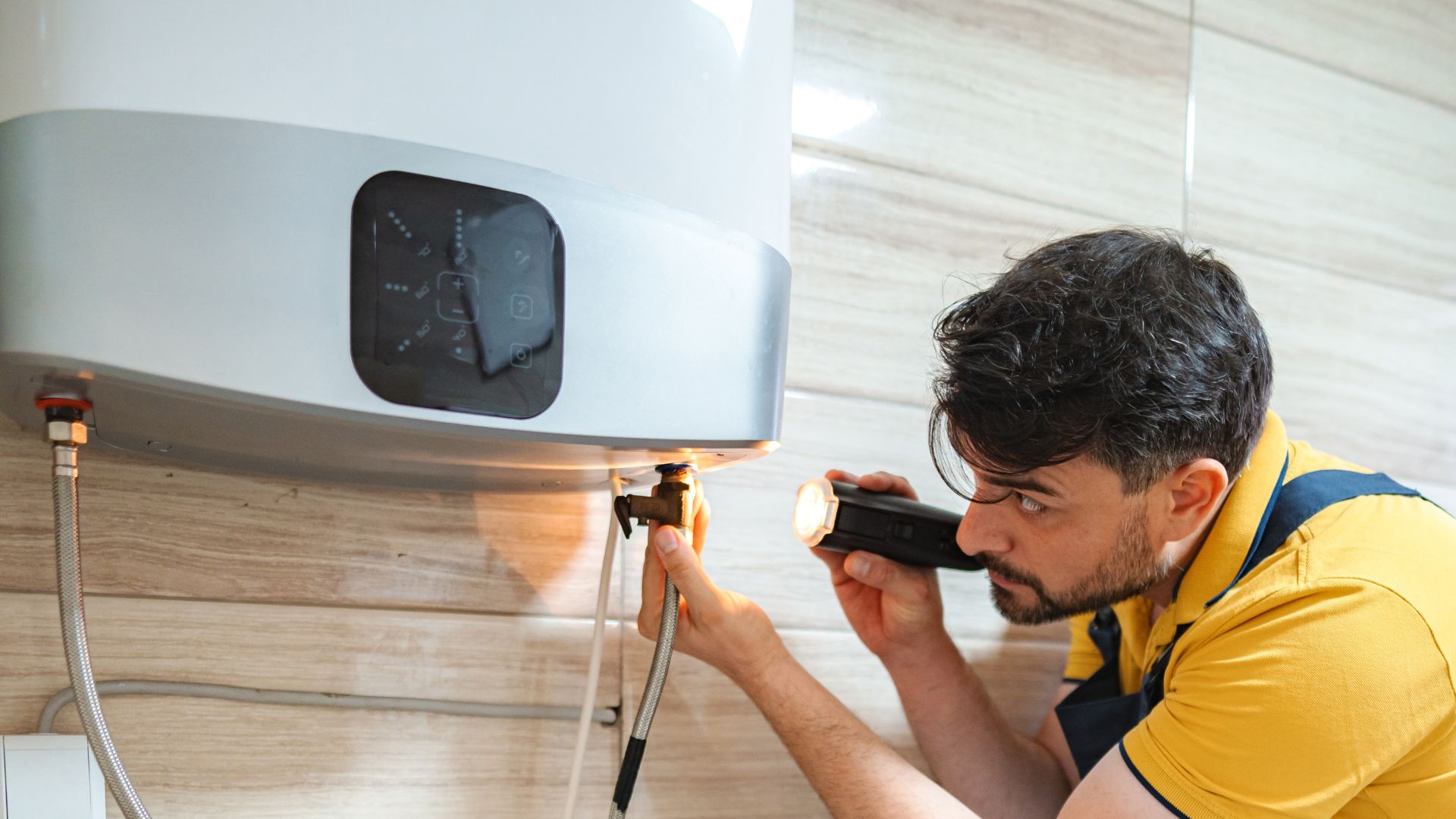
Safety is a major focus during water heater installation in Singapore. Before installation begins, professionals perform essential checks to ensure the existing infrastructure can support the new unit.
For electric heaters, this includes:
- Checking the electrical load and circuit capacity
- Ensuring proper earthing and bonding
- Verifying Residual Current Device (RCD) protection
Singapore regulations require water heaters to be properly earthed to reduce the risk of electric shock. If existing wiring does not meet safety standards, the installer may recommend electrical upgrades before proceeding.
For plumbing, the installer checks:
- Pipe condition and material
- Water pressure suitability
- Valve placement and accessibility
These checks help prevent leaks, overheating, and premature system failure.
4. Removal of the Old Water Heater (If Applicable)
If you are replacing an existing water heater, the old unit must be safely disconnected and removed. Professionals will first shut off the water and power supply before draining any remaining water from the system.
Old heaters are often heavy, especially storage tanks, and improper removal can damage tiles, walls, or plumbing connections. A professional ensures the removal process is clean, safe, and compliant with disposal guidelines.
This step also allows the installer to inspect surrounding pipes and fittings for wear, corrosion, or hidden leaks before installing the new unit.
5. Installation and Mounting of the New Unit
Once preparation is complete, the new water heater is mounted securely. Proper mounting is especially essential in Singapore homes, where bathroom walls may be tiled, reinforced concrete, or partition walls.
Installers ensure:
- The wall can support the unit’s weight
- Correct anchors and brackets are used
- The heater is positioned at a safe and accessible height
For storage heaters, secure mounting prevents long-term stress on the wall and reduces vibration during heating cycles. Improper mounting is a frequent cause of premature water heater failure and can create serious safety hazards.
Professional Plumbing Starts Here >
Let Citi Plumbing help you find the most effective and cost-efficient option for your plumbing needs. Our experts provide practical advice and reliable solutions tailored to your home or business.
6. Plumbing Connections and Valve Installation
After mounting, the installer connects the heater to the water supply. This includes:
- Inlet and outlet pipe connections
- Installation of isolation valves
- Pressure relief valve (PRV) setup
Isolation valves allow the heater to be serviced or replaced without shutting off water to the entire home. Pressure relief valves are mandatory safety components that prevent excessive pressure buildup inside the tank.
All joints are sealed properly, and fittings are tightened to prevent leaks. Professionals also ensure that piping alignment minimizes stress on connections.
7. Electrical or Gas Connection Setup
Next, the heater is connected to its power or gas source.
For electric heaters:
- Wiring is connected according to the manufacturer's specifications
- Earthing is double-checked
- Circuit protection devices are tested
For gas heaters:
- Gas piping connections are sealed and tested
- Ventilation systems are verified
- Combustion exhaust pathways are checked
These steps are critical. Improper electrical or gas connections can pose serious safety risks, which is why DIY installation is strongly discouraged in Singapore.
8. System Testing and Performance Checks
Once installation is complete, the technician conducts thorough testing before handing over the system.
Testing includes:
- Checking for water leaks
- Verifying stable water temperature
- Testing pressure relief and safety valves
- Ensuring consistent water flow
For storage heaters, the system may need time to fully heat the water before final testing. Installers also monitor for unusual noises, pressure fluctuations, or electrical irregularities.
9. User Demonstration and Maintenance Advice
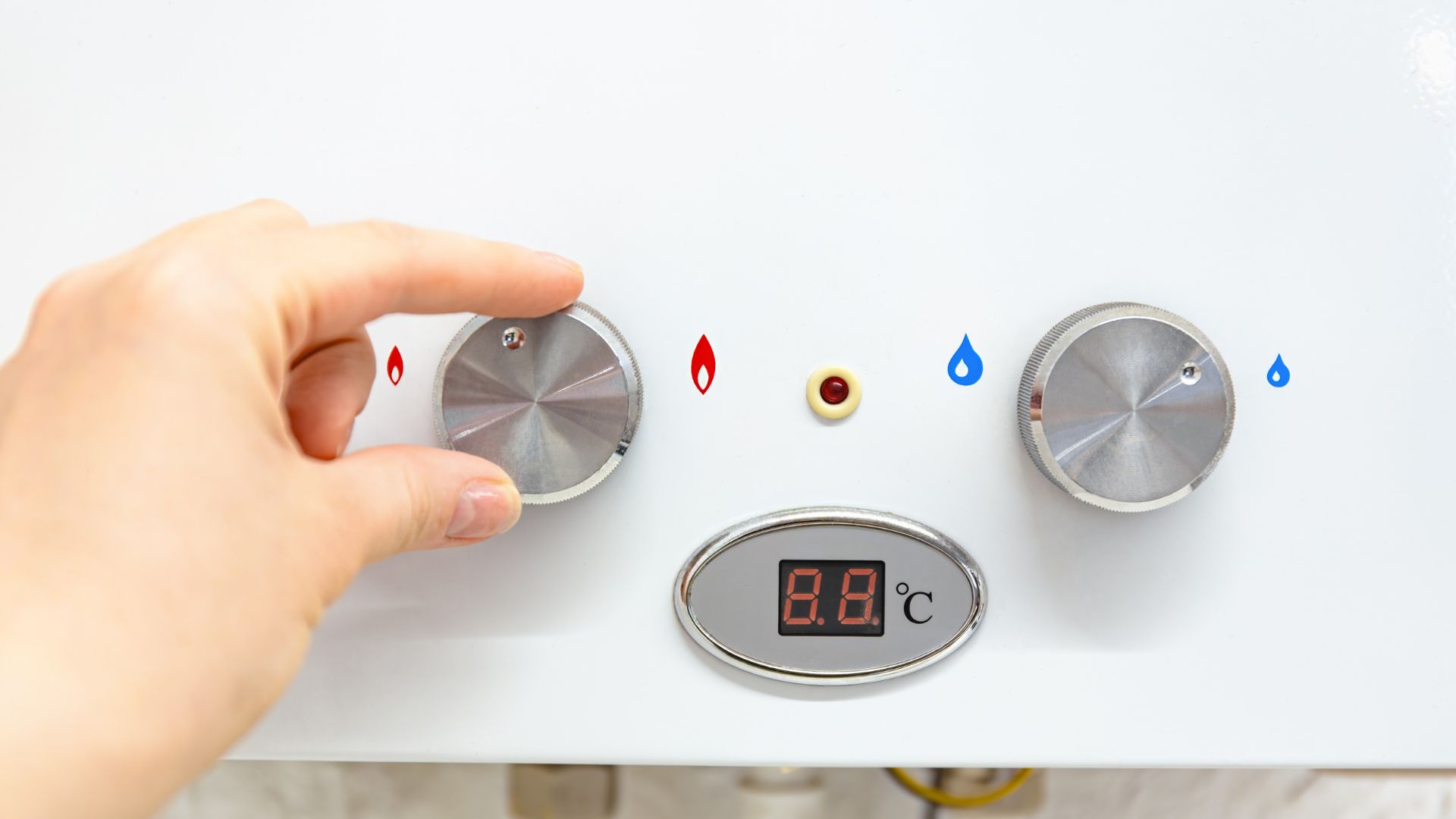
A professional installation does not end with testing. The installer will explain how to safely operate your new water heater, including:
- Turning the unit on and off
- Adjusting temperature settings
- Recognizing warning signs of issues
You’ll also receive maintenance advice, such as recommended servicing intervals and basic care tips. For example, storage water heaters in Singapore typically require annual servicing to remove sediment buildup and maintain efficiency.
10. Compliance, Warranty, and Documentation
Finally, the installer verifies that the entire installation meets both local safety regulations and the manufacturer’s requirements. You may receive:
- Installation documentation
- Warranty registration guidance
- Servicing recommendations
To maintain warranty protection, professional installation is essential, as manufacturers often void coverage if the unit is installed incorrectly or without certification.
Conclusion
A professional water heater installation in Singapore involves far more than simply mounting a unit and turning it on. From safety checks and infrastructure assessment to precise installation and thorough testing, each step plays a crucial role in ensuring reliable performance, energy efficiency, and long-term safety.
By knowing what to expect, homeowners can make informed decisions, avoid unnecessary risks, and enjoy consistent hot water with peace of mind. Professional installation is an investment that not only ensures your water heater works efficiently from day one but also helps prevent costly repairs, water damage, and safety issues in the future.
Fix Your Plumbing Issue Now >
From leaks to installations, Citi Plumbing delivers prompt and dependable service for homes and businesses. Our skilled plumbers ensure every job is completed efficiently, safely, and to the highest standards.